Got beat up in Dale Utah by a prostitute that thought I was moving in on her turf. (Dale Utah has ONE gas station and is between SLC and Wendover.) Who knew they had their own prostitute. Guess you don't have to drive to Wendover.
Shot a woodpecker that was pecking on my house then ate it. (It was tough and didn't taste good)
Fell asleep in the ocean in Cambodia on a tube and I can't swim.
Likes to eat cow brain.
Mugged with eggs at an ATM in South America. While someone was helping her wipe the egg off two guys took all her money, wallet, purse etc.
Arrested as a sniper at 15. I was in SLC my dad owned a hotel and their were birds on the hotel. My dad told me to shoot the birds with a BB gun. Someone saw the gun out of the 11th story window and called the police. The SWAT team came and they arrested me.
I've never bought a CD.
My friend pierced my labra in the school bathroom with a hollow needle. (I thought she said labia and was totally grossed out.)
Lived in the rainforest for six months and got bit by a bat.
I hate the outdoors. You know, like trees, the sun, animals.

Current Job Postings
Showing posts with label CNA nurse aide registry. Show all posts
Showing posts with label CNA nurse aide registry. Show all posts
Wednesday, July 11, 2012

Tuesday, June 26, 2012
A student we are NOT proud of
SUMMIT COUNTY — Summit County authorities have arrested a nanny they say physically abused infant twins — and it's not the first time the woman has been suspected of such a crime.
Aubrey Anderson, a 31-year-old former nurses' assistant, lives in Salt Lake City but has also worked as a nanny in Belgium. She's also wanted there for child abuse, but that information didn't come to light until police started investigating her in connection with the Summit County case.
Aubrey Anderson, a 31-year-old former nurses' assistant, lives in Salt Lake City but has also worked as a nanny in Belgium. She's also wanted there for child abuse, but that information didn't come to light until police started investigating her in connection with the Summit County case.
"You hear about injuries children sustain that can lead to death, but fortunately it was caught in time with these children," said Detective Sgt. Ronald Bridge, with the Summit County Sheriff's Office.
She was advertising herself as a child care infant expert. She was also advertising herself as a (registered nurse's) assistant.
–Detective Sgt. Ronald Bridge
Authorities say Anderson presented herself as a reputable nanny. She posted ads on several nanny websites, with a resume noting she had provided child care in Europe.
Anderson had also worked at Primary Children's Medical Center for the past 12 years, most recently as a part-time critical care technician. She resigned in April.
"She was advertising herself as a child care infant expert," Bridge said. "She was also advertising herself as a (registered nurses') assistant."
But Anderson became the focus of a criminal investigation in January, when infant twins in her care received suspicious injuries.
Court documents say on Jan. 17, the parents noticed a bruise on their newborn daughter's face. Anderson told them the baby had rolled in her crib and smacked her face on the slats.
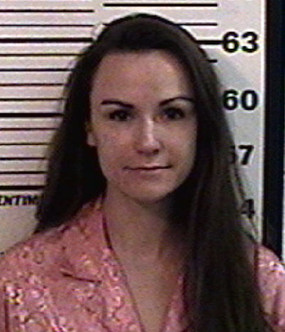
 Aubrey Anderson
Later that month, the parents took the girl's twin brother to the hospital, where doctors found he had two broken ankles and rib fractures, consistent with child abuse.
"Having to take their children to a hospital to find out that they had been abused, that's a heartbreaking investigation," Bridge said.
The investigation revealed a pattern of abuse. The case led authorities in Summit County to Belgium, where Anderson had also worked as a nanny. She's the suspect in a similar child abuse case there involving newborn twins.
Anderson fled Belgium last year, and there's still an Interpol warrant for her arrest.
"It's terrifying, truly terrifying," Bridge said. "Hopefully, now people understand a thorough background investigation is pertinent (when hiring a nanny)."
Nannies are not regulated by the state, so it's important to check references and do your own online search.
Prosecutors charged Anderson with felony child abuse. They asked the judge to set a higher than normal bail because they say Anderson is a flight risk.
Meanwhile, Summit County authorities say Interpol does not plan to extradite Anderson and the case in Belgium is on hold until the one this one is resolved.
She was advertising herself as a child care infant expert. She was also advertising herself as a (registered nurse's) assistant.
–Detective Sgt. Ronald Bridge

Aubrey Anderson
Wednesday, May 9, 2012
Can a Hospital Say, "Only Thin Doctors Can Work Here"?
Hi. I am Art Caplan, and I am speaking to you today from the Department of Medical Ethics and Health Policy at the University of Pennsylvania.
Today's topic is one that I think will get everybody's attention. To put it bluntly, should hospitals hire employees who are overweight?
A hospital in Texas, Citizens Medical Center, has said that it is not going to hire anybody -- doctors, health staff, nurses -- who is overweight. For them, that means a body mass index of over 35 kg/m2; or in other words, for a 5'10" man, if you weigh more than about 250 lb, you wouldn't get hired at this particular Texas facility.
So, just like people are talking about not hiring employees who smoke at hospitals or nursing homes or clinics, this institution is the first that I know of to say, "We are not going to hire overweight people."
Now, you might think this is illegal, but it isn't. It turns out that there are no laws against discrimination against overweight people except in Michigan, and a few cities have passed these laws.
Maybe overweight can be treated as a disability, but you would have to go to court and fight that, and I'm not sure how it would turn out. So, if the hospital wants to try this in Texas, it probably can without violating any civil rights statutes.
What is the argument that they have for doing this? They say, "Look, if you are going to come in and counsel people about health, you need to have a staff that is slim and fit." It is certainly the case that it is hard to have people say, "Follow what I say, don't do what I do," and I think they are worried that it might not be as attractive to patients to have someone tell them to lose weight who is overweight themselves.
It is also the case that overweight staff sometimes require their own special equipment and furniture, so there can be costs there, and it turns out that overweight people may be absent more just because of health-related problems. There is probably some argument that it raises healthcare insurance costs because of the problems associated with being overweight.
So, maybe there is a case here, but let's look at the pros and cons. On the side of doing this, it may be good for patients and encourage them, maybe it will cut down the costs for the hospital, maybe it will send a message that we expect our staff to maintain good health habits themselves as part of trying to encourage it in others.
What's on the negative side? I can think of a major problem, and that's treating healthcare risks equally. If you want to go after overweight, then who is going to sit in the hospital parking lot and see who is speeding when they come in? Who is going to make sure that someone arriving on a motorcycle or a bicycle is wearing a helmet? Who is going to make sure that they are wearing their seatbelts when they come to work? And to take this a bit further, in Texas, who is going to make sure that they are not riding horses at home because it is dangerous; or own a gun, which turns out to be a big health risk? There are a lot of other equally risky things besides weight that doctors or nurses or healthcare staff might do, and the question is, are we going to control that?
Look, I'm all for trying to set a good example and I think there are plenty of businesses where being thin and being in shape really do matter. I guess if you run a modeling agency it is very important. But I'm not convinced, really, that putting in weight restrictions is the best idea in terms of sending out the right message or a necessary message to patients. Patients, I think, can work with their doctors to try to overcome common problems. Doctors see all kinds of patients with all kinds of habits and all kinds of lifestyles. I think patients can deal with seeing all kinds of healthcare workers with all kinds of habits and all kinds of lifestyles. If they want a thin one, they should be able to pick one, but I don't think the hospital necessarily should have to say that only the thin ones can work here.
Thanks for watching. This is Art Caplan, and I'm at the Department of Medical Ethics and Health Policy at the University of Pennsylvania.
Medscape Business of Medicine © 2012 WebMD, LLC

'One in six cancers worldwide are caused by infection'
May 2012 Last updated at 20:01 ET
 Infection with human papillomavirus can cause cervical cancer
The Lancet Oncology review, which looked at incidence rates for 27 cancers in 184 countries, found four main infections are responsible.
These four - human papillomaviruses, Helicobacter pylori and hepatitis B and C viruses - account for 1.9m cases of cervical, gut and liver cancers.
Most cases are in the developing world.
The team from the International Agency for Research on Cancer in France says more efforts are needed to tackle these avoidable cases and recognise cancer as a communicable disease.
'Preventable'
The proportion of cancers related to infection is about three times higher in parts of the developing world, such as east Asia, than in developed countries like the UK - 22.9% versus 7.4%, respectively.Infection prevention ...could have a substantial effect on the future burden of cancer worldwide”
Drs Catherine de Martel and Martyn Plummer, who led the research, said: "Infections with certain viruses, bacteria, and parasites are some of the biggest and preventable causes of cancer worldwide
"Application of existing public-health methods for infection prevention, such as vaccination, safer injection practice, or antimicrobial treatments, could have a substantial effect on the future burden of cancer worldwide."
Vaccines are available to protect against human papillomavirus (HPV) - which is linked to cancer of the cervix - and hepatitis B virus - an established cause of liver cancer.
And experts know that stomach cancer can be avoided by clearing the bacterial infection H. pylori from the gut using a course of antibiotics.
Commenting on the work, Dr Goodarz Danaei from Harvard School of Public Medicine in Boston, the US, said: "Since effective and relatively low-cost vaccines for HPV and HBV are available, increasing coverage should be a priority for health systems in high-burden countries."
Jessica Harris of Cancer Research UK said: "It's important that authorities worldwide make every effort to reduce the number of infection-related cancers, especially when many of these infections can be prevented. In the UK, infections are thought to be responsible for 3% of cancers, or around 9,700 cases each year.
"Vaccination against HPV, which causes cervical cancer, should go a long way towards reducing rates of this disease in the UK. But it's important that uptake of the vaccination remains high. At a global level, if the vaccine were available in more countries, many thousands more cases could be prevented."
Infection with human papillomavirus can cause cervical cancer These four - human papillomaviruses, Helicobacter pylori and hepatitis B and C viruses - account for 1.9m cases of cervical, gut and liver cancers.
Most cases are in the developing world.
The team from the International Agency for Research on Cancer in France says more efforts are needed to tackle these avoidable cases and recognise cancer as a communicable disease.
'Preventable'
The proportion of cancers related to infection is about three times higher in parts of the developing world, such as east Asia, than in developed countries like the UK - 22.9% versus 7.4%, respectively.Infection prevention ...could have a substantial effect on the future burden of cancer worldwide”
Nearly a third of cases occur in people younger than 50 years.
Among women, cancer of the cervix accounted for about half of the infection-related cancers. In men, more than 80% were liver and gastric cancers. Drs Catherine de Martel and Martyn Plummer, who led the research, said: "Infections with certain viruses, bacteria, and parasites are some of the biggest and preventable causes of cancer worldwide
"Application of existing public-health methods for infection prevention, such as vaccination, safer injection practice, or antimicrobial treatments, could have a substantial effect on the future burden of cancer worldwide."
Vaccines are available to protect against human papillomavirus (HPV) - which is linked to cancer of the cervix - and hepatitis B virus - an established cause of liver cancer.
And experts know that stomach cancer can be avoided by clearing the bacterial infection H. pylori from the gut using a course of antibiotics.
Commenting on the work, Dr Goodarz Danaei from Harvard School of Public Medicine in Boston, the US, said: "Since effective and relatively low-cost vaccines for HPV and HBV are available, increasing coverage should be a priority for health systems in high-burden countries."
Jessica Harris of Cancer Research UK said: "It's important that authorities worldwide make every effort to reduce the number of infection-related cancers, especially when many of these infections can be prevented. In the UK, infections are thought to be responsible for 3% of cancers, or around 9,700 cases each year.
"Vaccination against HPV, which causes cervical cancer, should go a long way towards reducing rates of this disease in the UK. But it's important that uptake of the vaccination remains high. At a global level, if the vaccine were available in more countries, many thousands more cases could be prevented."
Thursday, May 3, 2012
Students learn about mapping, environment through dance

Students learn about mapping, environment through dance
Green Map • Online access allows anyone to see shops, parks and transit that helps the planet.
By Carol Lindsay
Special to The Tribune
Published: May 2, 2012 05:16PMCourtesy Joanne Lawrence Weber State University geography students work in a 4th grade classroom at Horace Mann Elementary.
Dance, geography and the environment seem an unlikely combination, but don’t tell that to students at Weber State University.
Weber students found that kids love to move, teachers love to teach and geography students love to map, so combining the activities seemed like the perfect and unique way to get involved in the Green Map system.
Repertory Dance Theatre, Weber State University’s Moving Company and the geography department joined 800 other communities in 60 countries to create and choreograph an environmental Green Map for residents of Ogden. The Green Map system — which marks places such as public transit stops, secondhand stores and environmentally minded businesses — was developed in 1995 as a means of encouraging participation in sustainable community development around the world.
Weber State took the system a step further and added dance as a means of sharing knowledge. Ogden is the first city to combine its Green Map with dance.
The geography department worked to identify local sustainable businesses and map them online. The dance department used the information from the map to develop dance performances and spread the word encouraging a more sustainable life.
“Just about anything can be taught through dance. Because children learn through kinetics, dance is an excellent format to reinforce what they are learning,” said Joanne Lawrence, professor of dance at WSU.
Lawrence worked with Repertory Dance Theatre in Salt Lake City to develop the program.
Each year, Weber State does an outreach program in the community. This year, it decided to use the green map project. Lawrence and her students took the mapping and dance project to schools in Ogden, where the students learned dances about water, plants and animal life that were represented by icons on the map.
Dancers from Weber State University performed at schools during assemblies. They worked closely with fourth- and sixth-graders at Horace Mann Elementary twice a week for 10 weeks, teaching them mapping and dance.
Students would re-create a biome, such as the high desert, by holding poses that represented rocks, cactus and sage while other students would move as animals through the dancescape, Lawrence said.
Geography majors would help the children identify places they thought were important to map, and they would display their creations in the classroom.
Students at Horace Mann were given a pre-test and a post-test in geography, and teachers said the results were positive.
“We plan to do more in-depth assessment as to how learning is increased through dancing,” Lawrence said.
Ashley Remkes, a fourth-grade teacher at Horace Mann Elementary, said the dance went “really well.”
“We were talking about animals and their environment,” Remkes said. “It helped them understand dance and the subject we were studying.”
Jordan Porter, a senior majoring in geography, was responsible for the computer aspect of the project. Porter enjoyed getting outside his box and interacting with other departments. “Working with the eccentric dance students was a big and welcomed change from the typical science students I am used to encountering,” Porter said. “Their open spirits made for a very fun and rewarding project.”
closeup@sltrib.com
What the heck
Salt Lake woman buys cocaine-tainted tampons
A Salt Lake City woman got more than she bargained for when she opened her box of tampons.
Police Detective Carlie Wiechman said that earlier this week the woman found that someone had removed many of the tampons and shoved baggies full of cocaine into the cardboard applicators.
The woman immediately called police, who brought in a hazardous material team that determined the white powdery substance was, in fact, cocaine.
Wiechman said detectives aren’t releasing the name of local business where the lady purchased the cocaine-tainted tampons because the investigation is still ongoing. She also said police were withholding how much cocaine was inside the box, but noted multiple tampons had been tampered with.
She said the box apparently didn’t look like it had been tampered before the woman purchased it.
“It’s weird,” Wiechman said. “It’s not something we’ve seen a ton of.”
She said if anyone buys a product that appears to have been tampered with — particularly a healthcare item — they should call the police.
jstecklein@sltrib.com
Seriously, they needed a study for this
Obese dieters who reported eating less fat, exercising more and using prescription weight loss medications were more likely to lose weight than those who relied on diet foods and products, nonprescription diet pills and popular diets, according to a study.
"Despite popular perception that obese people are unable to lose weight, a substantial number of obese participants in our study did report successful weight loss, suggesting that some obese U.S. adults can and do lose weight," lead investigator Jacinda M. Nicklas, MD, MPH, MA, a clinical research fellow at Beth Israel Deaconess Medical Center and Harvard Medical School in Boston, said in a news release.
Investigators analyzed data from the 2001-06 National Health and Nutritional Examination Survey, which collects demographic, health and health behavior information from non-institutionalized U.S. adults. From the sample of more than 4,000 obese adults with a self-reported body mass index of 30 or higher who participated in the in-home survey, they found that 63% of respondents tried to lose weight within the previous year.
Survey participants were more likely to report a weight loss of at least 5% of body weight if they reported eating less fat, exercising more and using prescription weight loss medications. Those who lost at least 10% were also more likely to have joined a weight loss program.
"Although national guidelines recommend a loss of 10% of body weight for improved health in the obese, studies have found that even a modest weight loss of 5% can lead to health benefits," Nicklas said.
Liquid diets, nonprescription diet pills and popular diets showed no association with successful weight loss, and those who reported losing more than 10% body weight were less likely to report eating diet foods and products, compared with those who lost less.
"Interestingly, although participants engaging in formal weight loss programs may be required to consume certain diet products or foods, in our study adults who said they used diet products were actually associated with being less likely to achieve at least 10% weight loss," Nicklas said. "This suggests that the structure of being in a program may be more important. It is possible that some dieters may be overeating diet products because they believe they are healthy, or low in calories."
In the study, prescription weight loss medications were associated with successful weight loss but were used by a small number of participants. "These results tell us that Americans use many weight loss strategies that are not associated with significant weight loss, including nonprescription weight loss medications," Nicklas said. "Public health efforts directing Americans to adopt more proven methods may be warranted."
The study is scheduled for publication in the May issue of the American Journal of Preventive Medicine. It is available in PDF form at http://bit.ly/I2c22m.
Wednesday, May 2, 2012
Nursing facilities embrace short stay residents
SNFs Take On New Look The short-stay patients are not necessarily frail or elderly and may simply require physical, occupational, or speech therapy following time in an acute care hospital before they return to more independent living. SNFs Enter MarketHealth Reform Law Has ImpactInvestments Required
|
 n the right place’ approach,” Mercadante says. “Whether the individual wants to remain at home, requires short-term therapy, longer-term care, or specialized services, Miami Jewish Health Systems offers quality programs to help maintain their independence and control of their life.”
 An example of the sweeping number of services offered at Douglas Gardens includes electric stimulation, pain management, physical therapy, pneumonia treatment, occupational therapy, speech therapy, and therapeutic recreation. The list goes on to cover administration of intravenous medications, blood transfusions, cardiac monitoring, and diagnostic imaging.

Dining Options
-->
-->
A facility that adopts a buffet style of dining may also encourage staff to dine with residents and implement room service simultaneously.
There are many ways to make the shift away from institutional, centralized dining to more resident-centered  models, such as family-style, buffet-style, or tableside dining. Such options also need not be mutually exclusive. For example, a facility that adopts a buffet style of dining may also encourage staff to dine with residents and implement room service simultaneously. A paper prepared for the Pioneer Network’s 2010 dining symposium describes a range of resident-centered dining models that have been implemented and, in some cases, tested:
|
Friday, April 27, 2012
Layton students honor their teaching ancestors
Layton students honor their teaching ancestors
Historical marker • Daughters of the Utah Pioneers dedicate new site at elementary.
The plaque installed at Layton Elementary School to honor early education in the city. Credit: Carol Lindsay/Special to The Tribune
Pioneer teachers in Layton once really brought home the bacon.
No, they didn’t get rich being teachers, but they did get paid in the form of bacon, produce and flour.
Students at Layton Elementary School learned about the lives of teachers and students in the 1850s — they had class in one-room schoolhouses or log cabins with dirt floors. Each day, they would bring in two buckets of water, one for students to drink and another with which they would wash their hands and put out any sparks from the fireplace.
Children walked to school, or rode on horses or in wagons. They brought their lunches — consisting of tomato sandwiches or jam and molasses. There was no electricity, and Internet, cellphones and computers were 100 years away.
Teachers, students and ancestors of current Layton residents were honored April 16 at an Early Education in Layton assembly at the school, which itself has been around since 1902.
At the assembly, the Daughters of the Utah Pioneers dedicated a new historical marker at the school, the fifth placed in Layton and the 564th statewide, said Kathleen R. Brimhall, corresponding secretary of the Daughters of the Utah Pioneers.
Diatra Wilko was asked by the Daughters of Utah International organization to locate a site for a new Layton marker. “We thought, let’s do a marker on the early education in Layton and have it correspond with the 100th year centennial celebration of the school district,” said Wilko.
Wilko said before conducting research for the marker, she was unaware of how many schools there were in the early years of education in Utah. History shows there were five home schools, two log schools, one framed wood school and seven brick, one-room schools built between 1850 and 1900.
The current Layton Elementary has been located at 369 W. Gentile Street since 1984. The original school was built on that site in 1902.
There was a building in 1890 where church, school and community meetings were held, but it burned down, said Mary Ann Bundy, 2nd vice captain of the Daughters of the Utah Pioneers. Davis County bought the property from the Episcopal Church for $600, and in 1902 built a school that had four classrooms.
Eventually, the school expanded to 16 classrooms, and in 1950, a cafeteria was added.
Bundy, who attended the school, recalled the cafeteria fondly. The menu consisted of soup or chili and bread and butter with lettuce.
“It was not too fancy, but to this day I love bread and lettuce,” she said.
In 1984, the original school was torn down and the current building erected.
Layton Elementary Principal Leslee Wright is proud of her school and the teachers.
“It’s amazing how far we’ve come and how dedicated our teachers have been throughout the history. The teacher’s main focus is and always has been the children first and helping them prepare for the future. There is so much history carried on through the schools,” Wright said.
Bryan Bowles, superintendent of Davis School District, emphasized the importance of people knowing their personal history to give them direction into their future. He also focused on the importance of youths in Utah.
“When Brigham Young said the desert would bloom, he didn’t just mean the flowers and crops, he meant our children,” said Bowles.
Mayor Steve Curtis of Layton reminded students that like their ancestors, they too are pioneers — of technology.
“You guys can text with two thumbs. You are pioneering a new technology, and you are making history,” he said.
closeup@sltrib.com
© 2012 The Salt Lake Tribune
Wednesday, April 25, 2012
Clearfield mayor shares love of music with youth
Clearfield mayor shares love of music with youth
Harmony • The children’s choir that Don Wood helped form allows kids to show their talent.
Paul Fraughton | The Salt Lake Tribune. Directors of the Clearfield Children's Choir Donna Bisseger Keri Benson and Don Wood talk to choir members before their performance at the Community Choir's Spring concert at The Clearfield Community Church. Monday, April 16, 2012
Music has always been a part of Don Wood’s life.
As a child, he sang and played piano, and even learned to play pipe organ at the Tabernacle in Temple Square.
Wood kept his love of music as he became a father of seven, but while he saw plenty of opportunities for his children to play sports, he found nothing to engage children musically.
When Wood, 58, became mayor of Clearfield, he decided to change that.
“We wanted children to be able to express themselves through music, give them the opportunity to learn parts and music theory,” Wood said. “We also wanted to give them an opportunity to perform in the community and showcase their talents.”
He and other community members formed the Clearfield Children’s Choir after an adult version had succeeded in the community. The children’s choir, now in its fourth year, has 22 members from Clearfield and surrounding communities. Members rehearse on Thursday nights at the Clearfield community center, and the choir performs throughout the year.
Their biggest show was for the Davis County Council of Governments, which includes all the county’s leaders.
“That was something that was really amazing to see — these young people sing to distinguished leaders and individuals,” Wood said. “[And ] They sang at Christmas socials in front of groups of 300 people. That was exciting,”
Helping with the choir is Don Wood’s daughter, Donna Bisseger.
“My dad and I have been involved in music my whole life. I played piano since I was 4; we’ve played piano duets around the valley. Music is a huge part of our life. My dad has always been a great example, and this was just another opportunity to do something together,” Bisseger said.
Nine-year-old Jaxsen Bisseger loves being in the choir.
“I like singing, and it’s just fun to meet every Thursday with all my friends,” Jaxsen said. “I think singing in concerts is the most fun thing we’ve done.”
Keri Benson has been involved with the choir since its inception. She has four children, all of whom have been in the choir. Early on, Benson saw the need for volunteers, and she began conducting the group.
“I have kids who love to perform, so it has taught them music appreciation, and they have been able to sing songs they would not usually have access to,” Benson said.
Benson loves to help children build character and believes performing “gets them out of the box.”
“Having the community come out and be involved and see the kids perform is great. The more they perform the more kids come out and want to join the choir,” Benson said. “I’d never heard of a city choir so this has been a great opportunity.”
When Wood envisioned the children’s choir, he saw a place where children could come together and learn and grow.
“I have a great love for the young people in our community. I have a love of music, and I like to instill that in young people. It lifts and elevates them as individuals,” he said. “It builds in them a sense of self-worth, and they can practice and accomplish something and then showcase their talents.”
close-up@sltrib.com
Saturday, April 21, 2012


Thursday, April 12, 2012
Unfair Fight
Spectrum Magazine
Publisehd 3/5/2001
By Carol Lindsay
I recently cared for a man who had tried to kill himself by hooking a hose to his car's exhaust pipe and feeding the carbon monoxide emissions through the window. He was in his gas chamber long enough to lose consciousness, but he didn't die. A neighbor found the man in the car, pulled him out, and called for help.
When the paramedics brought him to the ED, the suicidal man was wide awake and very unhappy to be alive. His belligerent and combative behavior got worse so we restrained him. As he struggled to free himself, he fought the restraints with so much force that the bed rocked. The man's anger continued to boil as I forced him to wear an oxygen mask, but fortunately for me, it caught all the spit he was trying to spray in my face.
He said it didn't matter how long I kept him restrained. "As soon as I get out of here, I'm going to shoot myself! I should have shot myself today!" No family or friends came to visit. I left the man under the watch of a police officer and went to care for another patient.
My new patient was 43 years old and had arrived by ambulance, as well. But unlike the man who had tried to kill himself, the new patient came into the ED quietly. One paramedic was performing chest compressions while another did respirations. The patient's distraught wife told us she had left her husband in the car while she went into the store. When she returned, she found him slumped over the steering wheel.
When I removed his jeans, a beeper fell to the floor. I handed it to his wife and listened as she explained her husband had cardiomyopathy. He was staying in our state while he waited for a heat transplant.
The beeper was to alert him when a donor heart became available. The man had tried valiantly to live; he underwent numerous surgeries and followed a strict medical regime, but all his efforts weren't enough to save his life. Nothing we could do would repair his diseased heart.
As I returned to the room of my suicidal patient, I could hear the dead man's wife crying as she spoke on the phone with their children. I had one patient who was so unhappy with life that he was under a suicide watch and tied to the bed so he didn't hurt himself. Just down the hall, I had another who tried so hard to live but lay dead.
My combative patient had become quiet. Through the widow's sobs, the suicidal man and I could hear the conversation she was having with her children in the next room. For the first time, we made eye contact. "Life is not fair," he whispered, "he could have had my heart."
Tuesday, April 10, 2012
UTAH CNA programs
http://www.dopl.utah.gov/licensing/forms/nurse_NCLEX_pass_rates_RN.pdf
For those of you looking at RN programs you might want to check out the NCLEX pass rates cause if you don't pass the NCLEX you won't be a nurse even if you graduate from school.
For those of you looking at RN programs you might want to check out the NCLEX pass rates cause if you don't pass the NCLEX you won't be a nurse even if you graduate from school.
Monday, April 9, 2012
U.S. gives nod to Eli Lilly's brain plaque test
U.S. gives nod to Eli Lilly's brain plaque test
Reuters
Apr. 07, 2012 1:16PM PDT Apr. 07, 2012 1:16PM PDT
Explore and compare medications WASHINGTON (Reuters) - U.S. regulators gave the nod to an imaging test from Eli Lilly and Co. that can for the first time help doctors detect brain plaque tied to Alzheimer's disease, the company said.
The U.S. Food and Drug Administration approved the radioactive dye, called Amyvid, to help doctors rule out whether patients have Alzheimer's, the most common form of dementia, Lilly announced late on Friday.
The dye binds to clumps of a toxic protein called beta amyloid that accumulates in the brains of patients with Alzheimer's. Doctors can then see the plaque light up on a positron emission tomography, or PET, scan.
Patients with Alzheimer's always have some brain plaque, so its absence in the test would tell doctors to look for other causes of mental decline, such as depression or medications, Lilly has said.
But Lilly, which plans to sell the drug through its unit Avid Radiopharmaceuticals Inc, said the test should not be used to diagnose Alzheimer's, since brain plaque can also be tied to other neurologic conditions and may occur naturally in older people with normal mental states.
An FDA advisory panel recommended against approving the dye last year, saying doctors might have trouble interpreting scans of the plaque, and the FDA rejected Amyvid last March.
Since then, Eli Lilly said it has worked to identify better ways of training doctors to use the test.
Dr. Daniel Skovronsky, CEO of Avid, said one in five patients who are diagnosed with Alzheimer's turn out not to have the disease after an autopsy.
"The approval of Amyvid offers physicians a tool that, in conjunction with other diagnostic evaluations, can provide information to help physicians evaluate their patients," he said in the company's statement from Friday.
There is currently no cure for Alzheimer's, a mind-robbing disease that affects more than 35 million people worldwide and gets worse with age.
But an early hint that something is wrong might improve the success of drugs meant to prevent or delay disease progression, researchers believe.
Avid has been in the lead in the race for imaging agents for Alzheimer's, which are estimated to have a potential global market anywhere from $1 billion to $5 billion.
General Electric Co and Bayer AG are developing rival products.
Lilly, as well as Pfizer Inc, are the farthest along in developing experimental medicines to treat Alzheimer's. Lilly expects to release final data for its contender, solanezumab, as soon as this summer.
(Reporting by Anna Yukhananov; editing by Todd Eastham
Behind autism: Genes? Pollutants? Mom’s weight?
Behind autism: Genes? Pollutants? Mom’s weight?
The Associated Press
Updated Apr 9, 2012 01:49PM
Some questions and answers about autism.
What causes autism? • That’s what researches are trying to figure out with a host of studies. The causes are believed to be complicated, and not necessarily the same for each child.
How much of autism can be linked to genetic causes? • Some experts say that in many cases autism results from both genetic flaws that load the gun and other factors that pull the trigger. So far, they have determined genetic problems account for about 20 percent of cases. That percentage could grow as they continue to find new genetic mechanisms.
What other factors could be involved? • Some studies have suggested that obesity during pregnancy raises the risk for autism. Others found a link between autism and older fathers at the time of conception. Also being studied are other factors during pregnancy, including medications, as well as environmental pollutants.
How many children have autism? • The latest government estimate is 1 in 88 U.S. children have an autism disorder. Those can range from mild cases in which some kids lose that diagnosis as they mature to severe cases in which children are uncommunicative and severely intellectually disabled.
Why are we hearing so much about autism lately? • Several research studies have been published over the past week, and April is National Autism Awareness Month. The new research findings also followed closely the Centers for Disease Control and Prevention report on new U.S. autism estimates.
Thursday, April 5, 2012
Strong Demand
Is healthcare recession-proof?
Technology is playing an increasing role in nursing practice and education.
By Beth Puliti
Posted on: April 2, 2012
New reports from the Bureau of Labor Statistics (BLS) certainly suggest it is.
In the first 2 months of 2012, the healthcare sector has accounted for one in five new jobs in the overall economy, which exceeds job growth throughout much of 2011.
Specifically, in February, the healthcare sector created 49,000 jobs - up from 43,300 jobs the month before, according to the BLS.
Rhonda M. Zaleski, MS, RN, CHPN, corporate director, nurse recruitment and workforce planning at University of Pennsylvania Health System, noted the market for nurses with BSNs and those advancing their education are strong.
In fact, nursing positions account for almost 50 percent of all open positions at Penn Nursing.
"As organizations face more challenges and complexity in providing healthcare, highly educated and diverse nurses with BSN, master's and doctorate nursing degrees with skill beyond traditional functional discipline prove to be in demand," she remarked.
Regional Hiring Trends
It's no secret that, over the past 2 years, the economy has impacted the ability of new nursing graduates to find a job.
However, nurses are critical to an organization, noted Zaleski.
"Evidence that educated nurses play a pivotal role in patient safety and better patient outcomes has been acknowledged by the healthcare industry both locally and nationally," she said.
The release of the Institute of Medicine's Future of Nursing report, along with data that healthcare facilities with a higher percentage of BSNs enjoy better patient outcomes and significantly lower mortality rates, has driven organizations' recruitment to prefer BSN-only hires with a plan to increase the percentage of BSNs over time.
Zaleski acknowledged new graduate employment continues to be competitive.
However, she is encouraged as more organizations start to rethink hiring new grads to grow a higher percentage of BSNs while recruiting a younger workforce to proactively plan for nurse retirements as the economy lifts.
"At Penn Medicine, our Recruitment and Workforce Plan projected increases in nursing management and advanced practice where we experienced a 32 percent increase in advanced practice hires and 2.5 percent increase in nursing management hires that continue on this upper trend," revealed Zaleski.
She stated 40 percent of all nursing hires come from the internal nursing workforce, which gives nurses the opportunity to advance within the health system.
Regional Salary Trends
In May 2010, the BLS estimated the mean annual wage of a registered nurse in the Philadelphia metropolitan area was $72,100. Also at this time, the mean hourly rate was $34.66.
Zaleski noted nurses who advance their level of education, certification and specialty create more demand for their employment and are paid more based on experience and higher education.
Contests & Surveys
2012 Salary Survey
Fill out the ADVANCE for Nurses Salary Survey and get counted! Your chance to win!
Wendy Gable, director of recruitment at Temple University Health System, said salaries within Temple's health system are based on experience.
However, nurses with advanced degrees would have the ability to earn higher salaries based on the fact that these positions tend to pay in a higher range for the additional education and experience requirements.
The shifts that RNs work can also affect their pay through shift differential, added Gable. Certifications are another area, as well as further education to move into a higher role.
"Salary is a piece of a nurse's total rewards package. Pay is important, but benefits, growth and development possibilities, and work/life balance are also significant factors," said Gable.
Zaleski added nurses can expect that Magnet-designated hospitals and large academic facilities are now requiring master's-prepared nurses for nurse manager and nursing leadership positions, and a trend toward more doctorate-prepared nurses at the director and executive nurse level.
"Experienced nurses going back to school, embracing technology and seeking interest in nursing leadership in both clinical and administrative [areas] have a high potential for advancement," said Zaleski.
Driven by the Consumer
The Internet has made it easy, fast and convenient for the general public to seek out health information, noted Kellie Smith, EdD, RN, assistant professor at Thomas Jefferson University Jefferson School of Nursing.
As patients and families are routinely educating themselves in all aspects of wellness, health and disease, nursing students are taught how to evaluate healthcare information that is on the Internet to assist patients in receiving accurate and up-to-date information.
"This is crucial as often websites are not peer-reviewed and have no quality controls," remarked Smith.
"Consumer-driven health education can be used in a positive way with the nurse and patient working in partnership to affect improved health."
She also mentioned that changing demographics and increased diversity - both in the U.S. population and student demographics - have affected nursing education.
"Cultural competency is an important component within the nursing curriculum, such as learning to respect other cultures and how to incorporate cultural sensitivity into patient care," she said.
Zane Wolf, PhD, RN, FAAN, dean and professor at La Salle University School of Nursing and Health Sciences, concurred.
"I think that diverse experiences help students look more realistically at patients. They look at themselves and their own particular cultural perspectives, and begin to look at other ways of behaving, thinking and using healthcare. You learn about yourself when you see the differences among your colleagues and the way they approach things," she said.
The 21st Century Nurse
Faculty is increasingly infusing information and instructional technology into teaching/learning practices in the classroom, laboratory and clinical settings, noted Smith.
"Instructional technology has moved beyond referential support and is currently supporting low- and high-fidelity simulation scenarios, mobile tablet computing, and enhanced inter- and intra-communication platforms," she said.
Become an ADVANCE Insider
Nursing Certification
Links to agencies providing nursing certifications.
Through mobile tablet computing, such as the iPad, nursing students have uninterrupted access to vast databases of knowledge that can be accessed anytime anywhere, including nursing skills videos, patient care algorithms and care maps, e-books and clinical companion references.
"Nurses of the 21st century need to be versed in the nursing process and standard nursing competencies as outlined in the American Association of Colleges of Nursing's Essentials of Baccalaureate Education for Professional Nursing Practice," advised Smith.
She believes technology is playing an increasing role in healthcare practice and education.
"Nurses must possess the necessary skills to effectively utilize patient care technology at the bedside, communicate and participate on interprofessional teams to enhance patient care quality and outcomes, and assume a leadership role in evidence-based patient care."
Wolf said nursing students today must be aware of trends and recognize they are never going to stop learning - both direct clinical skills and the thinking abilities that are enhanced with easy access to information.
"With easy access also brings an overwhelming amount of information. Nursing students are going to have to develop more analytical reading comprehension strategies to manage it," she said.
Beth Puliti is a frequent contributor to ADVANCE.
Nurse’s aide guilty of rape
By John Futty
The Columbus Dispatch Saturday February 4, 2012 5:51 AM
A former nurse’s aide was taken to jail yesterday after Franklin County jurors convicted him of raping a woman who was recuperating from surgery in the Victorian Village rehabilitation center where he worked.
Tizazu Arega, 34, was found guilty of one count of rape and one count of sexual battery. He was acquitted of a second rape count. He could be sentenced to as many as 15 years in prison when he appears before Common Pleas Judge John P. Bessey on March 1.
The judge revoked Arega’s bond after the verdicts were announced.
The 29-year-old woman, who is legally blind, spent nearly two months at Heartland-Victorian Village on Thurber Drive W. after having surgery on a leg that was shattered when she was struck by a car.
She testified that Arega placed her wheelchair in front of the closed door to her room and raped her vaginally and anally on Sept. 1, 2010. She was not in the courtroom for the verdict.
Arega testified that the sex was consensual, that she initiated it and that he and the woman had a flirtatious relationship. But during cross-examination by Assistant County Prosecutor Megan Jewett, Arega struggled to explain his repeated denials to Heartland officials and police detectives that any sexual contact took place.
Arega’s attorney, Karen Phipps, called it a “he-said, she-said” case and questioned inconsistencies in the woman’s story.
The jury of seven men and five women deliberated for about 10 hours over parts of three days before reaching the verdicts early yesterday afternoon.
Arega, of Irongate Lane in Whitehall, was convicted of the rape count alleging vaginal sex and acquitted of a count alleging anal sex. The verdicts were consistent with testimony from a sexual-assault nurse about where semen was found during an examination of the woman in Riverside Methodist Hospital.
The evidence provided a DNA profile that matched Arega’s.
The sexual-battery conviction was based on state law that prohibits sexual conduct between “a patient in a hospital or other institution” and anyone with “supervisory or disciplinary authority” over that person.
The Dispatch does not name those who report having been sexually assaulted unless they agree to be identified.
Most violent job in Washington? Nurses aide .
.
by Associated Press
KREM.com
Posted on July 12, 2011 at 9:20 AM
SEATTLE - The most violent job in Washington state isn't being a police officer or a security guard. It's working as a nurse's aide.
Seattle public radio station KUOW-FM made that finding as part of an investigative series on workplace safety airing this week. The station found that violence strikes health care workers in Washington at six times the state average, and frontline caregivers in emergency rooms and psychiatric wards get assaulted even more than that.
The single most violent workplace in the state is at Western State Hospital, where criminal defendants are taken when they are found incompetent to stand trial. Workers at psychiatric hospitals are assaulted on the job more often than anybody else -- 60 times more than the average worker in Washington state.
KUOW also found that even though working on steel towers remains one of the nation's most dangerous jobs, right up there with commercial fishing, line workers for Seattle City Light and other northwest power companies aren't strapped in while they climb such towers. Instead, they only strap safety ropes to their harnesses once they've climbed up to where they'll be working -- around 200 feet above ground in some cases.
Though several line worker deaths from falls were reported in other states last year, none has been reported in Washington in the past decade.
James Robinson, president of the union for many workers at Western State Hospital, says there were 313 assaults there last year -- a drop of nearly 30 percent in assaults per patient-care hour, though union officials also note that many incidents go unreported because of the time required to fill out paperwork about assaults.
At some hospitals, such as Tacoma General, emergency room security is obviously a concern. Everyone must pass through a metal detector to enter the ER, no matter the time of day. It's one of many measures Pierce County's biggest hospital has taken to keep patients from attacking hospital staff.
Other anti-violence measures are more subtle. Much of the staff is trained how to pacify agitated people. Even the colors and spaces of the ER's new waiting area were designed to soothe injured, stressed out, impatient patients.
If that doesn't work, some exam rooms have additional security measures -- such as a metal gate that can come clanging down to protect medical equipment from violent patients.
Jeaux Rinehart, a Seattle nurse and president of the state's Emergency Nurses Association, says he's been clubbed in the head by a mentally ill patient seeking narcotics and, more recently, an intoxicated patient punched him in the face and threatened to kill him. That patient served three months in jail.
"A lot of hospitals don't really encourage nurses to report violent acts against them, and some facilities just feel that it's part of your job, and you should just simply tolerate it, knowing that if you work in an emergency department, violence is going to be there, so prepare for it," he said.
Nurses' unions want hospitals to do more to protect their workers, like more hands-on training on how to avoid or defuse violent situations.
Nan Yragui, a psychologist with the Department of Labor and Industries, studies workplace violence. She said budget cuts to the health-care safety net have made emergency rooms nationwide more violence-prone.
"When patients can't get services they need, they end up going to the emergency department," she said. "So more of the severely mentally ill are going to the emergency department and then that makes that group of nurses more at risk because they're getting more exposure."
Those factors helped fuel a 26 percent rise in violent incidents last year at Providence St. Peter Hospital in Olympia, said Jeff Glass, its director of facilities.
Even after a patient smuggled three guns into the St. Peter emergency room two years ago and wound up being shot to death by a police officer, the hospital hasn't installed a metal detector, for fear it could dangerously delay patient care. Instead, they wave a hand-held metal detector at patients they deem high risk.
The guards at Harborview Medical Center in Seattle run a metal detector on the overnight shift.
The Department of Labor and Industries has cited Harborview 11 times in the past three years for serious workplace safety violations. In November, the state fined Harborview $13,000 for failing to provide a safe workplace for its security guards.
Public records show someone being assaulted at Harborview about every couple days last year. On a recent Saturday night, a patient managed to walk into the emergency room with a large knife, two cans of pepper spray, a cap gun and lots of bullets in his backpack.
Harborview has appealed the fines, calling them arbitrary and capricious enforcement of the state's workplace safety rules.
Spokeswoman Susan Gregg said the hospital uses best practices from the health care industry to provide a safe environment.
Graveyard-shift guard Mike Nervik says despite the hospital's shortcomings, Harborview is a lot less violent than it was in the 1990s.
"Like 15 years ago, you'd go home just wringed out in sweat, having gotten in confrontations with several people," he said.
Subscribe to:
Posts (Atom)